History of Monserrate in Sintra - Full Timeline and Context
Explore Monserrate's full historical arc, from sacred hillside roots to one of Portugal's most iconic romantic-era estates.
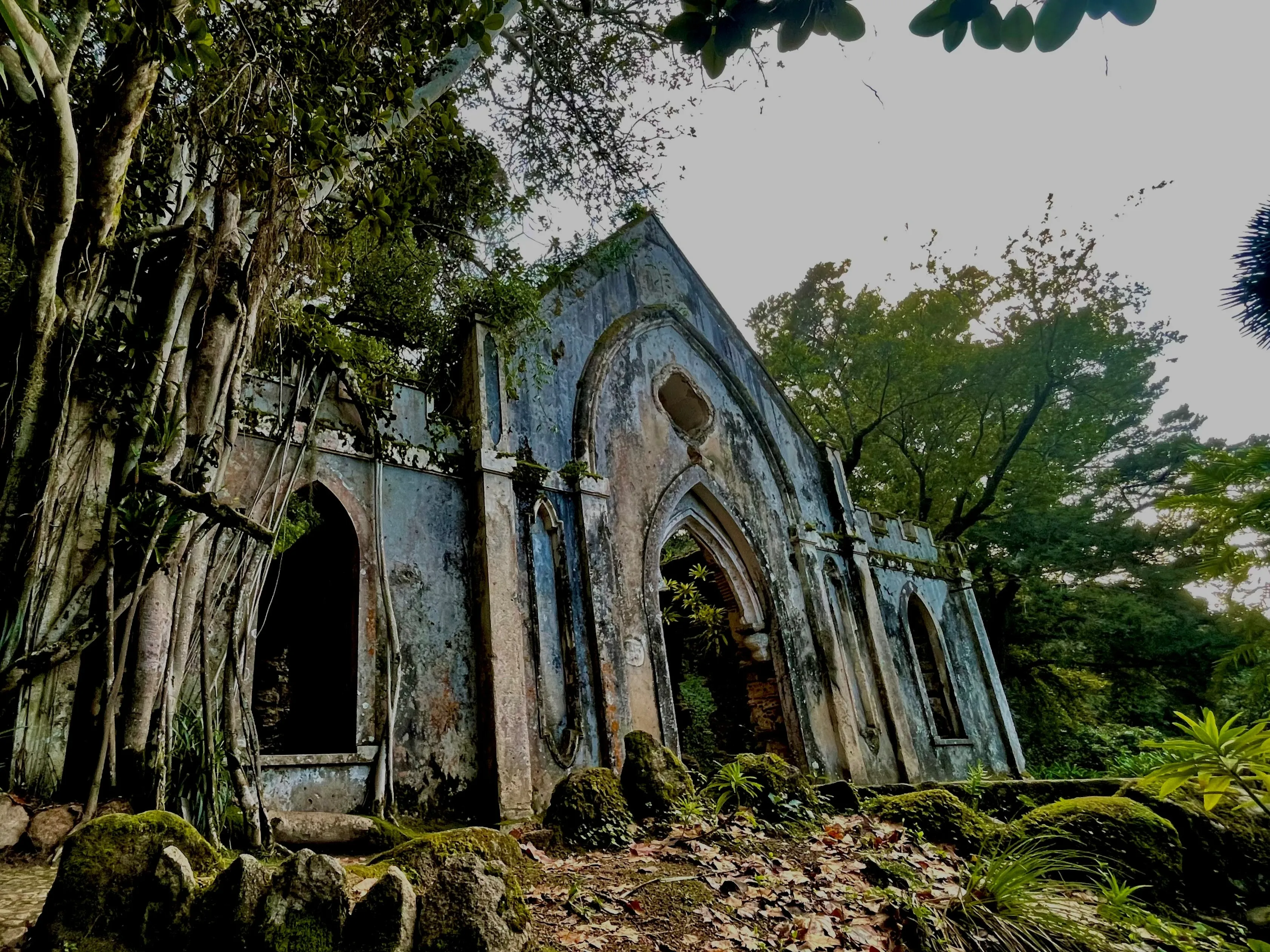
Long before the palace became a visual icon, Monserrate was a sacred hillside with memory embedded in stone and ritual. What we admire today is not a single invention, but a layered historical palimpsest.
Four eras in one estate
- Sacred origin: chapel devotion and spiritual significance.
- Aristocratic circulation: leisure landscapes and elite control.
- Romantic fame: writers and travelers amplify myth.
- Built synthesis: 19th-century palace and botanical system.
Then and now in images
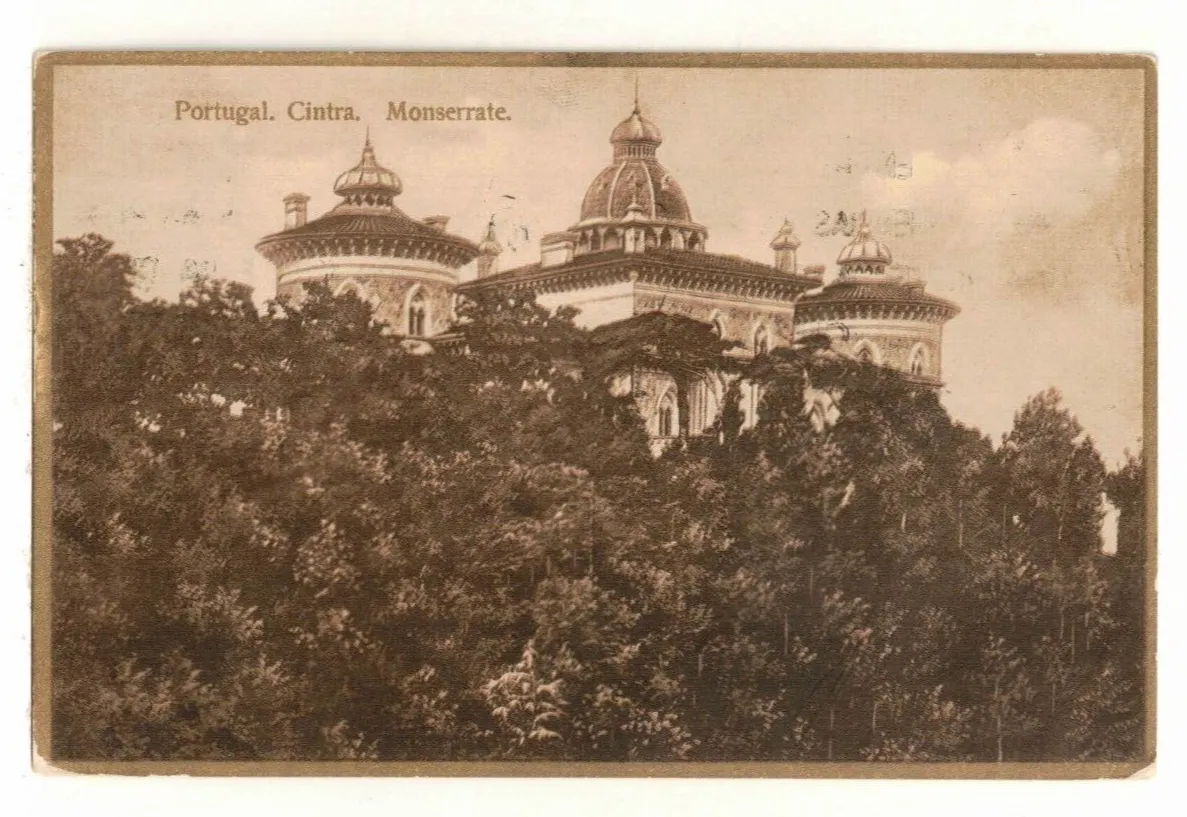
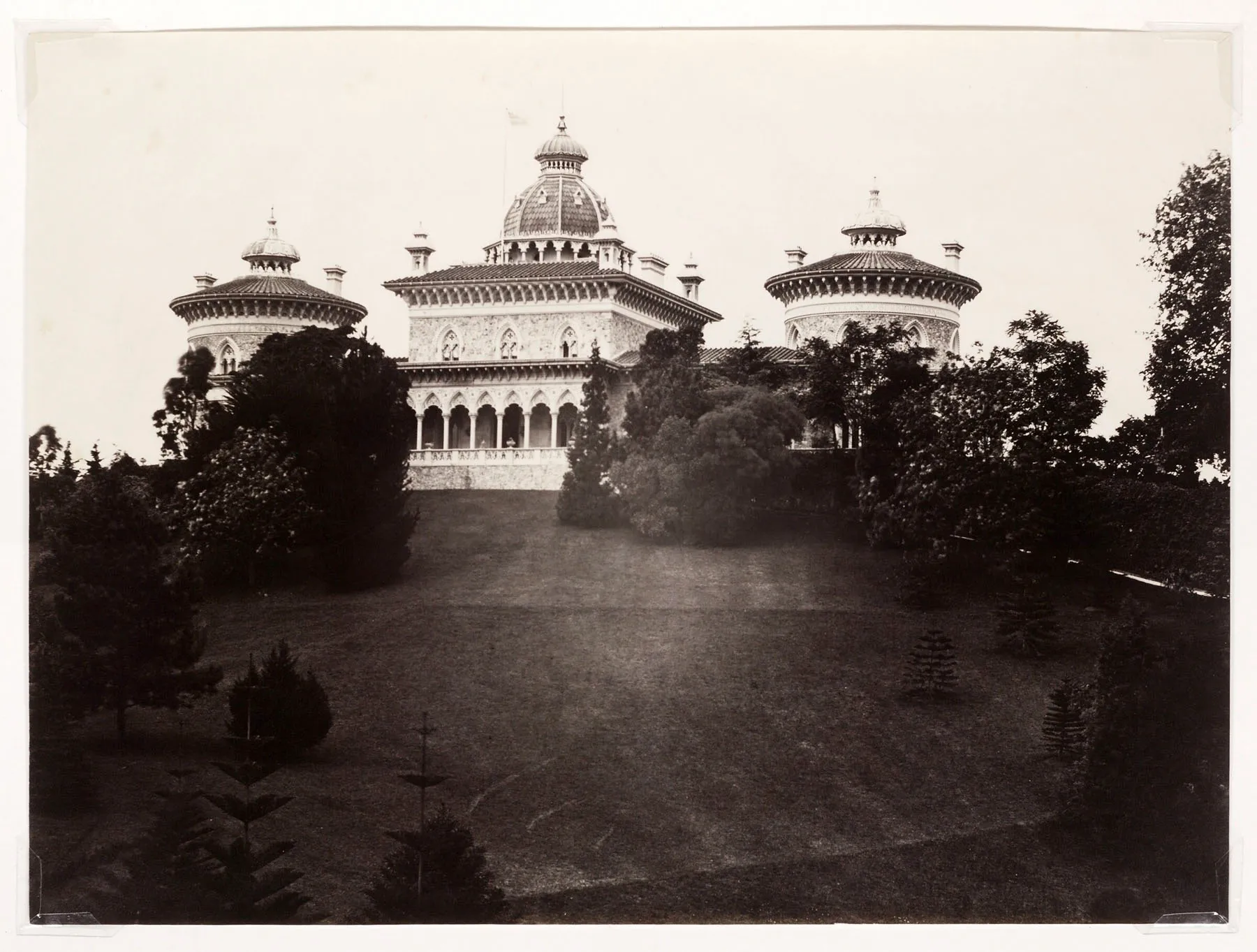
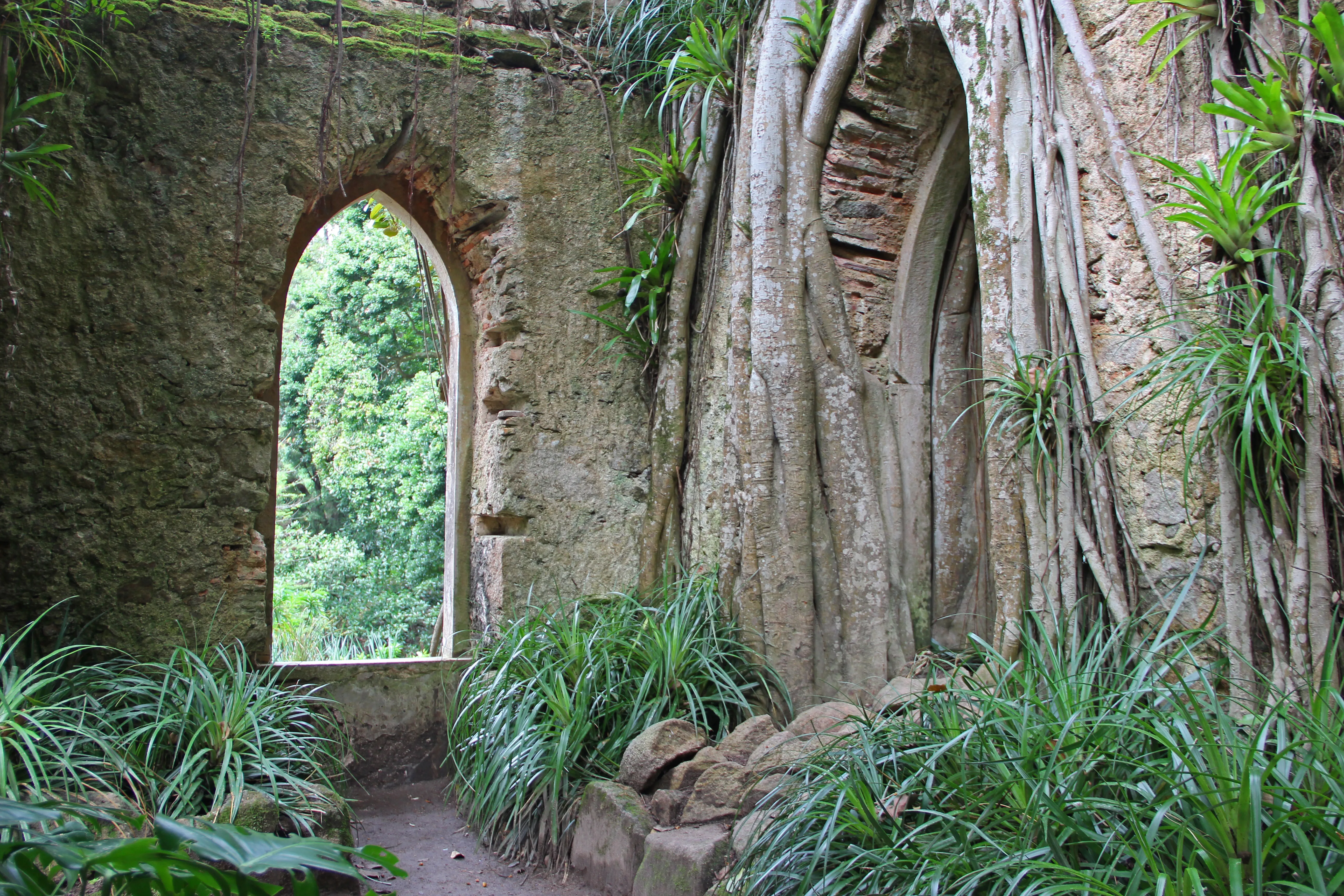
Timeline table
| Period | Key shift | Lasting effect |
|---|---|---|
| Early phase | Chapel devotion | Sacred identity |
| 18th century | Estate prestige | Scenic experimentation |
| Early 19th | Literary attention | International curiosity |
| Late 19th | Coherent redesign | Monumental legacy |
Think of Monserrate as a time machine with open walls: each path and room points to a different century.
Field prompts
- Where do sacred traces still shape movement?
- Which spaces feel literary rather than purely functional?
- What seems restored, and what feels intentionally left as memory?
History in Monserrate is not hidden in archives alone; it is visible in every transition between ruin, garden, and hall.
Continuity and rupture
Monserrate shows continuity and rupture at once. Sacred memory persists even when function changes, and romantic reinterpretation reframes older layers rather than erasing them.
As you walk, notice where chronology feels smooth and where it feels fractured. Those fractures often reveal shifts in values, patronage logic, and ideas about what heritage should preserve.
关于作者

Sintra Heritage Editorial Team
这份指南旨在让蒙塞拉特更易理解、也更值得细细品味,尤其适合不满足于“快速拍照打卡”的旅行者。我们的目标是帮助你真正理解这座宫殿与花园的独特之处,从而以恰当节奏、现实预期与好奇心来完成这次访问。
Tags
Comments (0)
Loading comments...